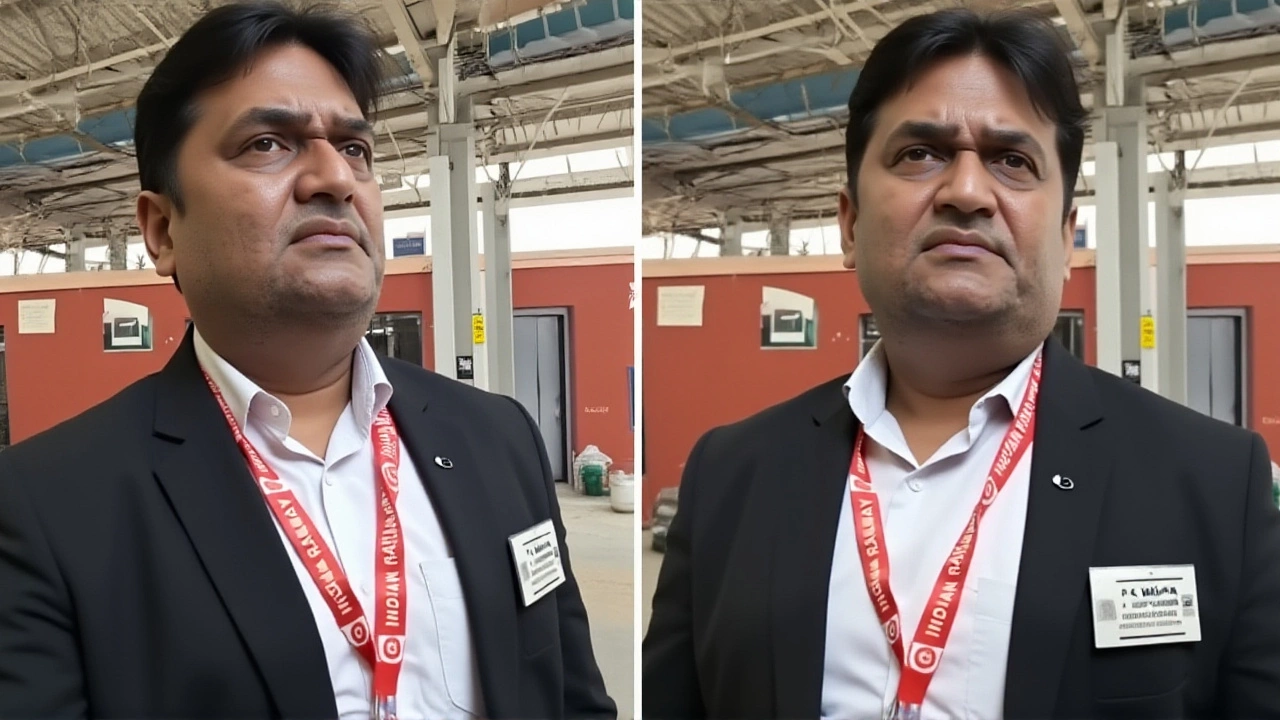
It’s a scenario that strikes fear into the hearts of honest commuters and delight in the pockets of corrupt officials: a railway employee offering to bypass the system for a quick cash deal. That’s exactly what happened on board a Vande Bharat Express, India’s flagship semi-high-speed train service, when a Travelling Ticket Examiner (TTE) was caught on camera negotiating an illegal discount.
The incident unfolded recently inside a coach, where the official offered a seat for just Rupees 380 in cash—a stark contrast to the official fare reported at approximately Rupees 700. The clip, shared on social media platform X, sparked immediate outrage and led to the swift suspension of the officer by Indian Railways.
The Viral Clip That Exposed the Scheme
Here’s the thing about modern accountability: you don’t need a whistleblower hotline; you just need a smartphone. A passenger aboard the train recorded the interaction, capturing the TTE admitting that the arrangement was “not allowed” while simultaneously proposing the discounted rate. It’s a chilling admission of guilt, delivered casually as if discussing the weather.
The video spread rapidly across X, accompanied by a caption that highlighted the absurdity of the discount: "Vande Bharat ₹750 ticket was being arranged by the TTE for just ₹380." This discrepancy—saving nearly half the fare through illicit means—resonated with millions of users who have long complained about opaque ticketing practices and corruption within the rail network.
Within hours, the post went viral. Users tagged official accounts, including Railway Seva and the DRM Danapur division, demanding action. The pressure mounted quickly, forcing authorities to respond before the story could spiral further out of control.
Swift Action from Railway Authorities
The response from Indian Railways was notably fast. Following the public outcry, officials confirmed that the TTE had been placed under immediate suspension. This wasn’t just a slap on the wrist; it was a signal that the administration is paying attention to digital scrutiny.
A report published by Connected to India on May 13, 2026, confirmed that the investigation was underway. The probe focuses not only on this specific transaction but also on broader patterns of misconduct. Are there other TTEs operating similar schemes? How widespread is this practice on premium trains like the Vande Bharat?
The suspension serves as a temporary measure while disciplinary proceedings continue. Under Indian Railways’ strict guidelines, any deviation from prescribed fares without generating an official ticket is considered a serious violation. For a TTE, whose job is to enforce these rules, breaking them is particularly egregious.
Why This Matters Beyond One Incident
Turns out, this isn’t just about one bad apple. It highlights a systemic vulnerability in how tickets are issued onboard. While TTEs are authorized to issue tickets for waitlisted passengers or vacant berths, they must do so through official channels that generate revenue for the state. Bypassing this system means lost income for Indian Railways and unfairness to passengers who paid full price.
Consider the economics: if a TTE can sell a Rs 700 seat for Rs 380, they pocket the difference. But more importantly, they undermine the integrity of the entire booking ecosystem. Passengers who struggle to get tickets during peak seasons feel cheated when others buy their way in through backdoor deals.
Moreover, the Vande Bharat Express represents a modernization effort for Indian Railways. These trains are marketed as efficient, transparent, and high-tech. Incidents like this tarnish that brand image, suggesting that old habits of corruption persist even in new systems.
The Broader Context of Rail Corruption
This incident echoes previous controversies involving railway staff misusing their positions. In recent years, there have been reports of TTEs extorting passengers, selling reserved seats to unreserved travelers, and manipulating berth allocations. Each case erodes trust in the institution.
However, the viral nature of this particular clip changes the dynamic. Social media has become a powerful tool for holding public servants accountable. Unlike traditional complaints, which often disappear into bureaucratic black holes, viral videos demand immediate visibility and response.
Experts suggest that increased surveillance and digital ticketing integration could help curb such abuses. If every transaction is logged digitally in real-time, opportunities for cash-based side deals diminish significantly.
What Happens Next?
The investigation is ongoing, and details remain scarce. Will the TTE face termination? Criminal charges? Or merely a fine and reinstatement after a short break? Only time will tell. But one thing is clear: the message sent to other employees is loud and unmistakable.
Passengers are now empowered witnesses. Every journey could be recorded, every interaction scrutinized. For railway officials, this means operating under constant potential surveillance. For commuters, it offers a glimmer of hope that transparency might finally win over opacity.
Frequently Asked Questions
Why was the TTE suspended?
The TTE was suspended for allegedly offering a Vande Bharat seat for Rs 380 in cash, significantly below the official fare of approximately Rs 700. This act constitutes a serious violation of Indian Railways' fare collection guidelines and involves bypassing official ticketing channels.
Which division of Indian Railways is handling the case?
The DRM Danapur division is overseeing the investigation. They responded to public complaints on social media and confirmed the immediate suspension of the official pending a detailed probe into the alleged misconduct.
Is it legal for TTEs to sell tickets onboard?
Yes, but only under specific circumstances and through official systems. TTEs can issue tickets for waitlisted passengers or vacant berths, but they must charge the full official fare and generate a proper digital record. Selling tickets for cash at discounted rates is illegal.
How did the incident come to light?
A passenger recorded the interaction between the TTE and another traveler on their mobile phone. The video was then uploaded to X (formerly Twitter), where it went viral due to the shocking disparity between the offered price and the official fare, prompting widespread public criticism.
What are the potential consequences for the TTE?
While currently suspended, the TTE may face permanent dismissal, financial penalties, or even criminal charges depending on the findings of the investigation. Indian Railways treats fare evasion and corruption as severe disciplinary offenses.

Write a comment