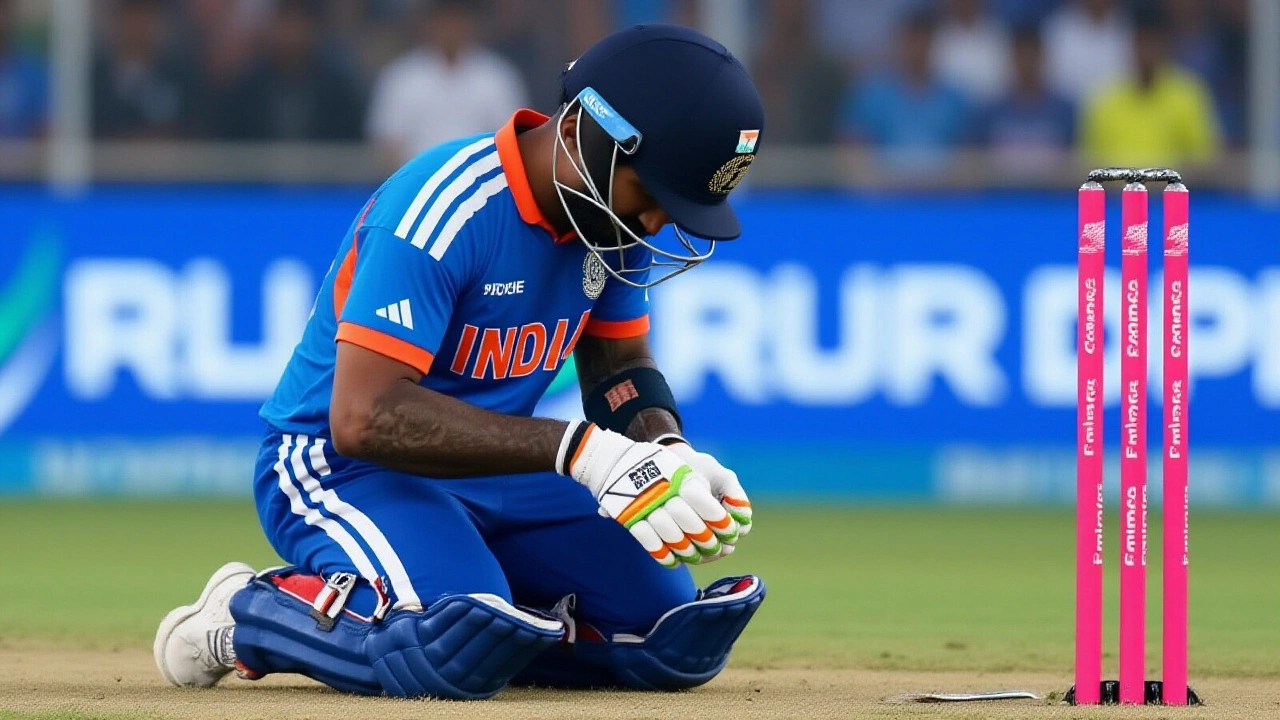
It’s a statistic that has left fans and analysts alike scratching their heads. Team India, the dominant force in limited-overs cricket, is currently posting the worst first-wicket average in the entire tournament. At just 6.8 runs, this figure isn’t just bad—it’s embarrassing. It’s lower than Pakistan and Zimbabwe, teams that don’t typically set the gold standard for batting stability.
The data emerged from reports published on February 26, 2026, highlighting a glaring vulnerability during the T20 World CupGlobal Venues. For a team built on explosive starts, this number signals a deep structural problem. The powerplay overs, usually a time to build momentum, have become a graveyard for Indian openers.
The Powerplay Predicament
Here’s the thing about modern T20 cricket: if you lose wickets early, you’re playing catch-up for the next 15 overs. India’s current strategy seems to be backfiring spectacularly. The 6.8-run average means that in almost every match, the opening partnership collapses before it can truly begin. We’re seeing wickets fall not just occasionally, but consistently, right at the start of the innings.
This isn’t a one-off bad day. It’s a pattern. Across the group stages, the Indian openers have failed to consolidate. Instead of rotating strike and building a platform, they are taking high-risk shots against new balls that aren’t paying off. The result? Middle-order batters are thrown in with the ball still swinging or seaming, forcing them to accelerate prematurely under pressure. It’s a recipe for disaster, and the scoreboard reflects it.
Worse Than Rivals?
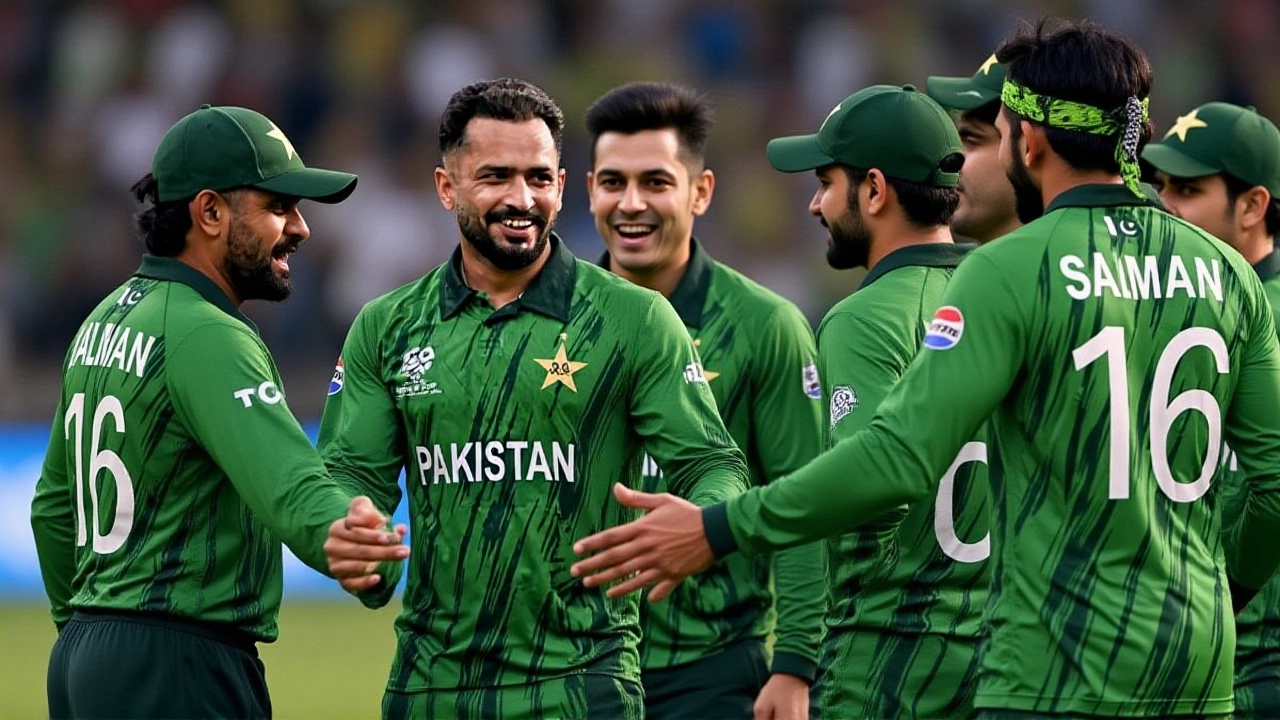
The comparison to Pakistan and Zimbabwe stings because it shouldn’t even be a comparison. These are nations often viewed as challengers, not benchmarks for excellence. Yet, here we are. While specific stats for those teams weren’t detailed in the initial reports, the implication is clear: India’s opening duo is performing below the level of teams with significantly less talent depth.
Why does this matter? Because in a knockout tournament, margins are razor-thin. A strong start can mask middle-order frailties. A weak start exposes them. By losing early wickets, India is handing free strikes to opposing bowlers and removing the buffer needed for aggressive batting later in the innings. It’s a tactical blunder that could cost them dearly in the semi-finals.
Expert Analysis and Fan Reaction
Cricketers’ pundits are divided, but the consensus leans towards concern. Some argue it’s a selection issue—perhaps the current openers lack the temperament for these specific conditions. Others point to technical flaws, suggesting that footwork adjustments are needed against quality pace attacks. One former captain noted, "You can’t keep gambling on the first ball. You need to survive the first six overs to dominate the last ten."
Fan reaction has been swift and harsh. Social media platforms are flooded with memes and criticism, echoing the headline from AajTak.in: "6.8 ka 'Dunk'!" (A dunk/slap of 6.8!). The sentiment is palpable—frustration mixed with disbelief. Fans remember when India’s openers were feared; now, they seem fearful themselves.
What Needs to Change?
For Team India to turn this around, immediate changes are likely required. This could mean shuffling the batting order, bringing in a more defensive opener, or simply instructing the current pair to play shorter balls differently. The coaching staff needs to address the mindset shift from "attack at all costs" to "build then attack."
The upcoming matches will be critical. If the trend continues, India risks exiting the tournament earlier than expected. But if they can fix this leaky start, their overall strength might still carry them through. The question remains: can they adapt fast enough?
Frequently Asked Questions
What is India's current first-wicket average in the T20 World Cup?
As of late February 2026, Team India's first-wicket average stands at a mere 6.8 runs. This is statistically the lowest among all 20 participating teams in the tournament, indicating severe instability in the opening partnerships.
How does this compare to other teams like Pakistan and Zimbabwe?
Reports indicate that India's opening performance is worse than both Pakistan and Zimbabwe. While exact figures for those teams vary by match, India's consistent collapse in the powerplay phase places them at the bottom of the statistical rankings for opening stability.
Why is the powerplay performance so critical for India?
The powerplay (first 6 overs) sets the tone for the innings. Losing wickets early forces middle-order batters to chase higher run rates with fewer wickets in hand. It removes strategic flexibility and puts immense pressure on players who may not be suited for aggressive early batting.
When was this data reported?
The analysis highlighting the 6.8-run average was widely circulated in media outlets, including AajTak.in, on February 26, 2026, following several group stage matches where India struggled to maintain opening partnerships.

Write a comment